The Cost-Per-Wear Case for Investing in a Proper Leather Bag
There's a number that never makes it onto a price tag, but it's the only one that actually matters: cost-per-wear. This is what it works out to cost every single time you pick up the bag and walk out the door with it. Once you start thinking in those terms, a lot of what looks like a "bargain" stops looking quite so cheap.
Defining "Affordable Luxury"
It's a phrase that gets thrown around a lot, so it's worth being precise about what we mean by it. Affordable luxury isn't about a lower price for a lesser version of something. It's about genuine quality, premium European hides, design-house level construction, careful proportions, hardware that's built to last, minus the enormous markup that comes purely from a logo.
A huge portion of what you pay for a well-known designer bag has very little to do with the leather, the stitching, or the hardware inside it. It's paying for brand recognition, for advertising campaigns, for the name on the box. None of that affects how the bag performs in your actual life, how it holds up on the school run, in the rain, thrown onto a train seat, or dug through for keys at the school gates. Affordable luxury means directing your money towards the things that actually affect quality and longevity, and not towards the things that don't.
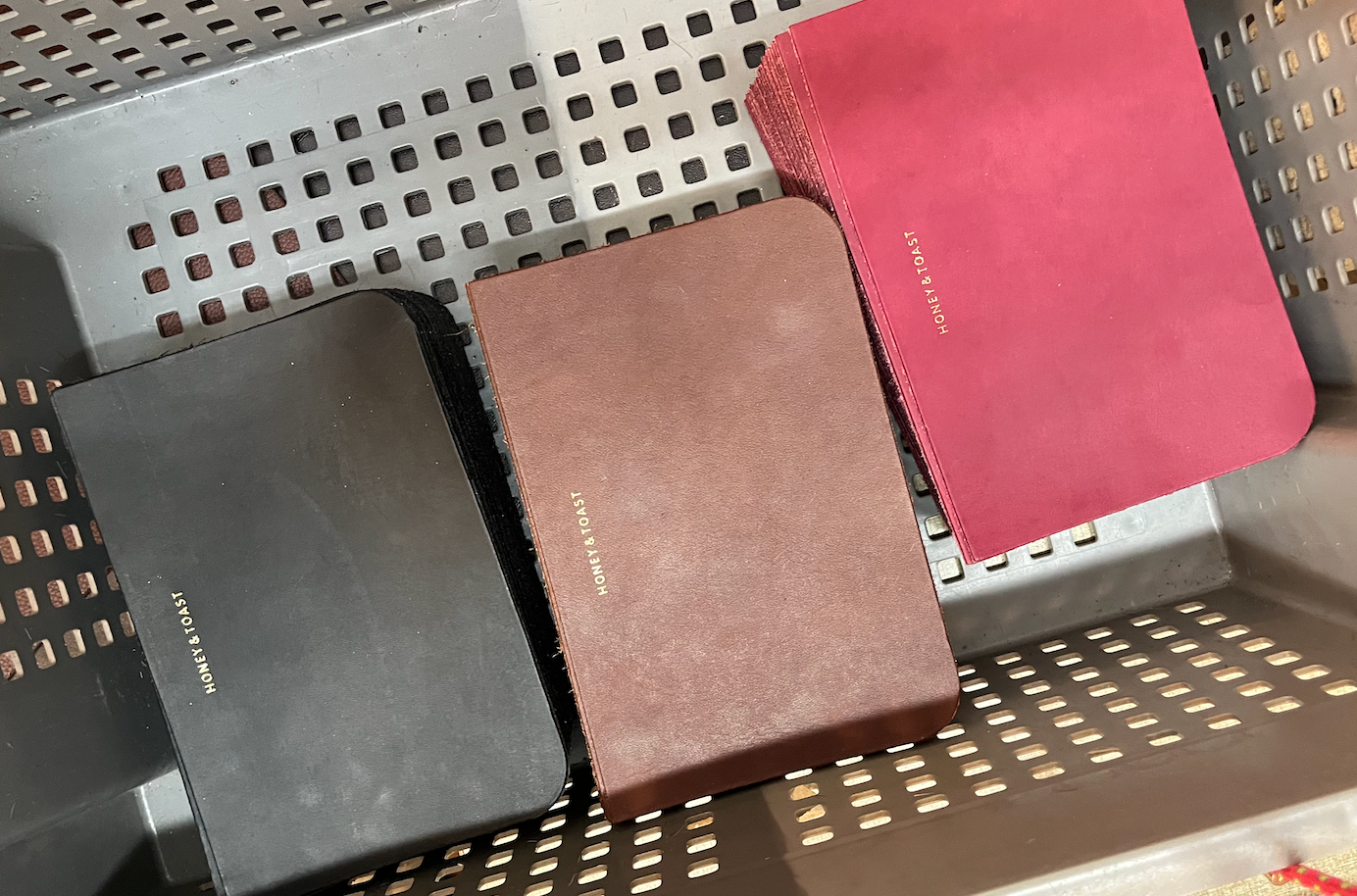
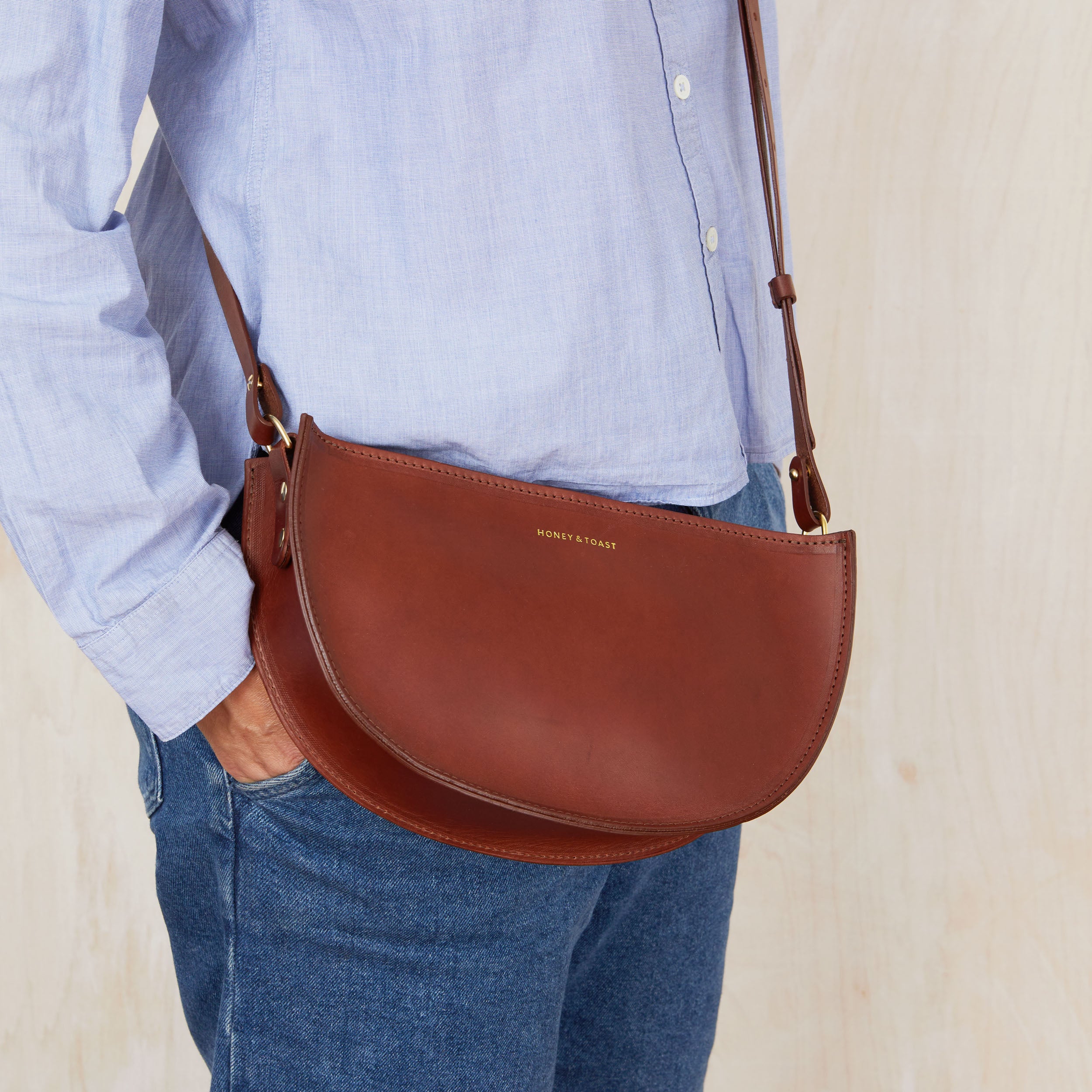
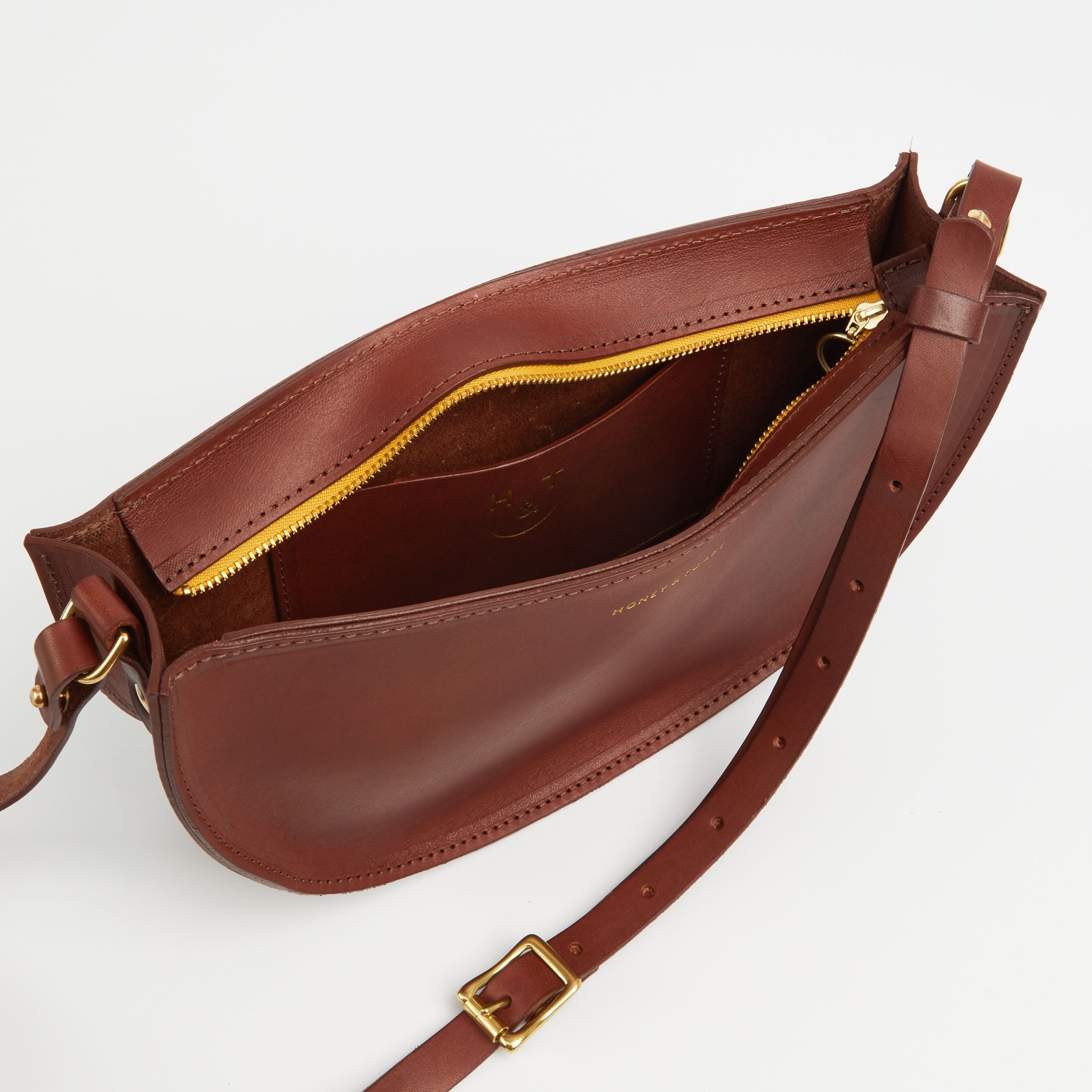
At Honey & Toast, every one of our bags sits under £300, and every one is made from the same calibre of leather, hardware, and construction you'd expect to pay several times that for elsewhere. There's no hidden markup for a logo you'll never see stamped on the front. What you're paying for is the leather itself, the hours spent hand-cutting and stitching it, and hardware that's built to outlast the bag's first year, not just look good in a product photo.
The Maths of Cost-Per-Wear
Let's do the actual sums, because they tell a much more honest story than a price tag alone ever will.
Say you buy a £40 high-street bag. It looks great for the first month or two. By month four, the corners are starting to scuff, the strap is stretching unevenly, and the lining is fraying at the seams. By month six, you're back in the shop buying another one, because it's simply not holding up. Over two years, that's potentially four bags, at £40 each: £160 spent, and a drawer full of bags you can't use any more.
£40 HIGH-STREET BAG | 10 YEAR TIMELINE
Yr 0        Yr 1        Yr 2        Yr 3   ... Yr 10
 |-----------|-----------|-----------|----------|
 [NEW]   [WORN OUT]  [WORN OUT]  [WORN OUT]  [???]
   ^ £40       ^ £40       ^ £40       ^ £40 x more
Bags bought by Year 10: 6-7+
Total spend: £240-280+
What you're left with: whatever's currently holding up
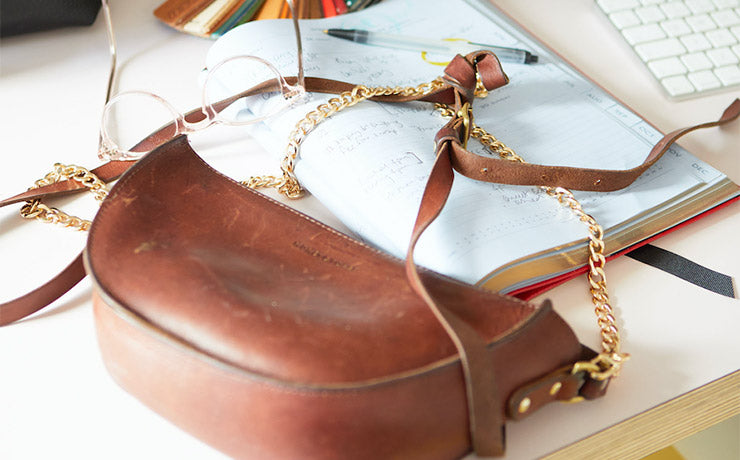
Now take a well-made leather bag, priced at, say, £280. It's a bigger number to spend in one go, no question, and it's easy to feel that hesitation at the till. But a bag built from proper leather, with solid brass hardware and construction that's actually meant to be used daily, doesn't fall apart in six months. It lasts years. If that same £280 bag lasts you ten years (which, realistically, a well cared-for leather bag should), that works out at £28 a year. Compare that to the four £40 bags over two years, which averaged £80 a year and left you with nothing to show for it at the end.
£280 HONEY & TOAST BAG | 10 YEAR TIMELINE
Yr 0        Yr 1        Yr 2        Yr 3   ... Yr 10
 |-----------|-----------|-----------|----------|
 [NEW] ---------------------------------> [AGED BEAUTIFULLY]
   ^ £280, paid once

 Bags bought by Year 10: 1
 Total spend: £280
 What you're left with: the same bag, worn in and better for it
The maths only gets more compelling the longer you keep the bag. A leather bag that lasts fifteen years works out at under £19 a year. That's the real cost of "affordable luxury": inexpensive over time, in a way a fast fashion bag can never be, no matter how many times you replace it.
What to Look For in a Forever Bag
If you're going to spend a bit more upfront, it's worth knowing exactly what you're looking for, so the investment actually pays off.
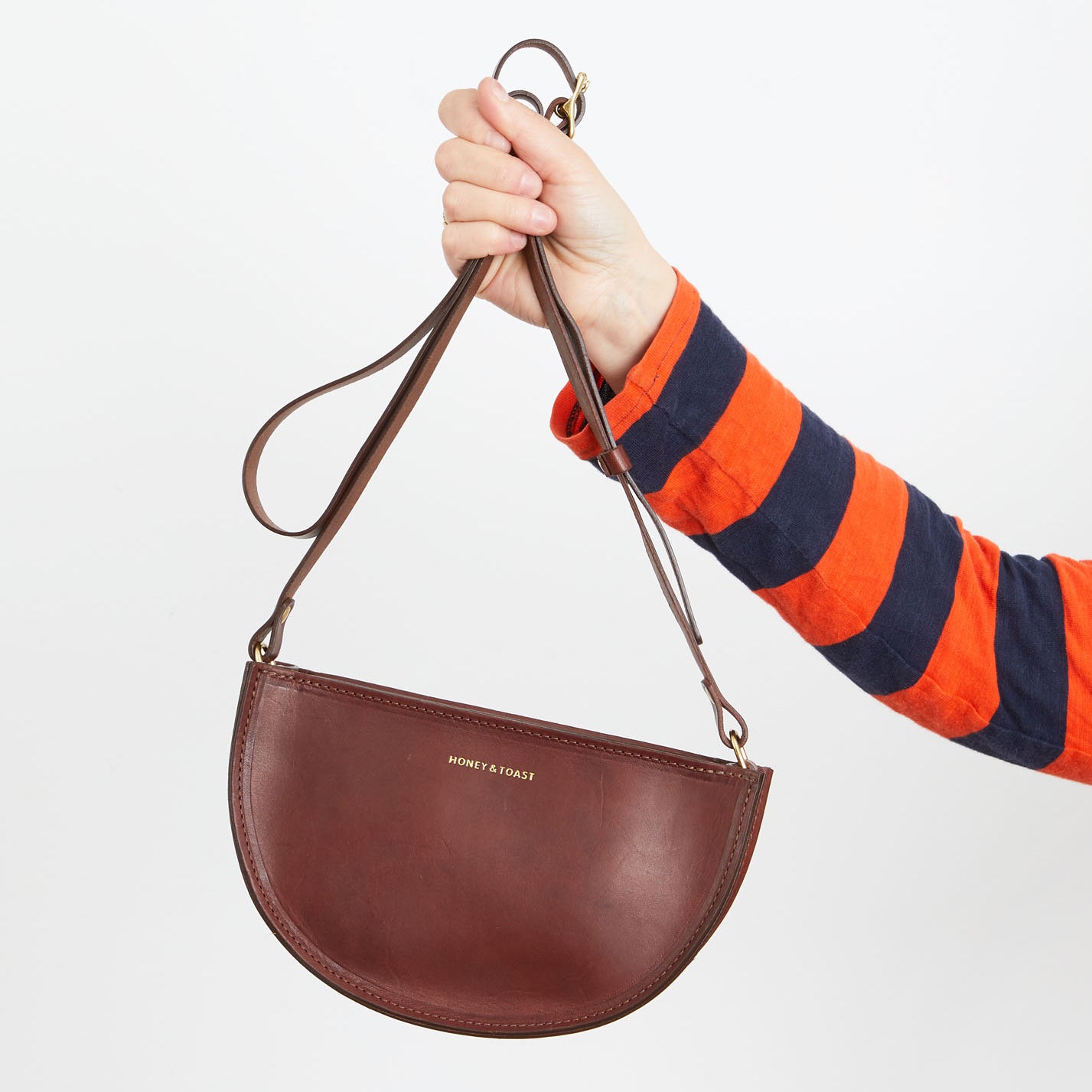
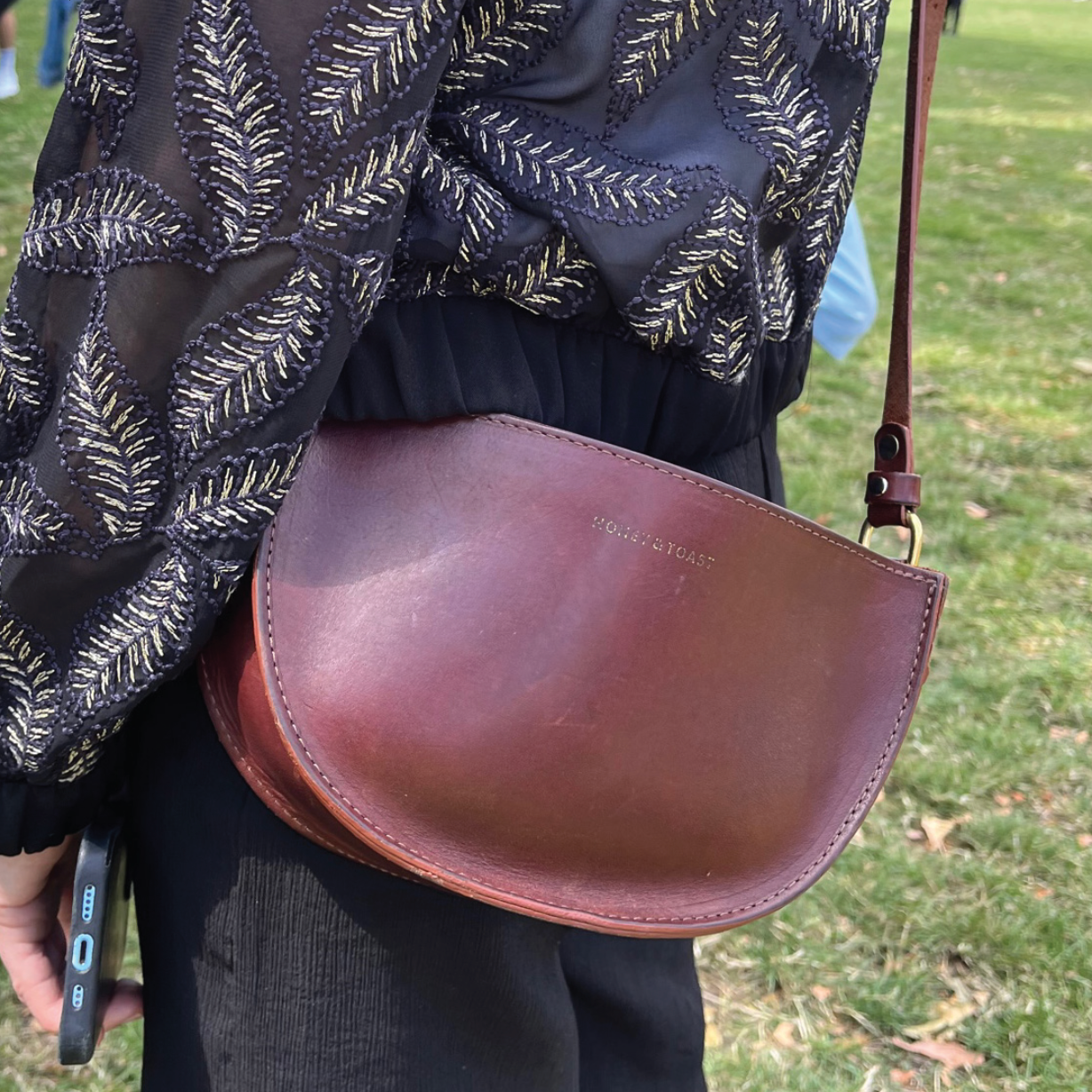
Sturdy structure. A bag that holds its shape day after day, rather than collapsing into a shapeless sack the moment you put a phone and a set of keys in it, is a sign of proper internal construction. Silhouettes like our Russet tote or a classic half-moon shape are built with structure in mind from the start, so they look as good on day 500 as they did on day one.
Solid brass hardware. Cheap zips and clasps are one of the first things to fail on a low-quality bag, the plating wears off, the zip catches, the clasp loosens. Solid brass hardware doesn't corrode, doesn't tarnish the same way, and simply works, year after year, wear after wear.
Versatile, seasonless colours. A colour that's on-trend this season and dated the next is a false economy, no matter how well the bag itself is made. Colours like Conker or Tan are chosen precisely because they never date. They work with everything in your wardrobe, across every season, which means you'll actually reach for the bag for years, rather than retiring it early simply because the colour feels out of step.
How to Style One Bag, Five Ways
Part of the case for investing in one really good bag is that it should be able to do more than one job. Here's how a single well-made tote or half-moon bag can carry you through an entire week, from school run to dinner out.
The school run. Practical, hands-free enough to manage children and bags at the same time, and sturdy enough to survive being dropped, kicked, and dragged along the pavement.
The commute. Structured enough to look put-together for the office, but roomy enough for a laptop, a water bottle, and whatever else the day demands.
Weekend errands. Casual enough to pair with jeans and trainers, without looking like it's trying too hard, and roomy enough for a quick supermarket dash or a stack of parcels heading to the post office.
Coffee with a friend. A well-made leather bag elevates a simple outfit without you needing to think about it too much. Sling it over one shoulder, and it does the work.
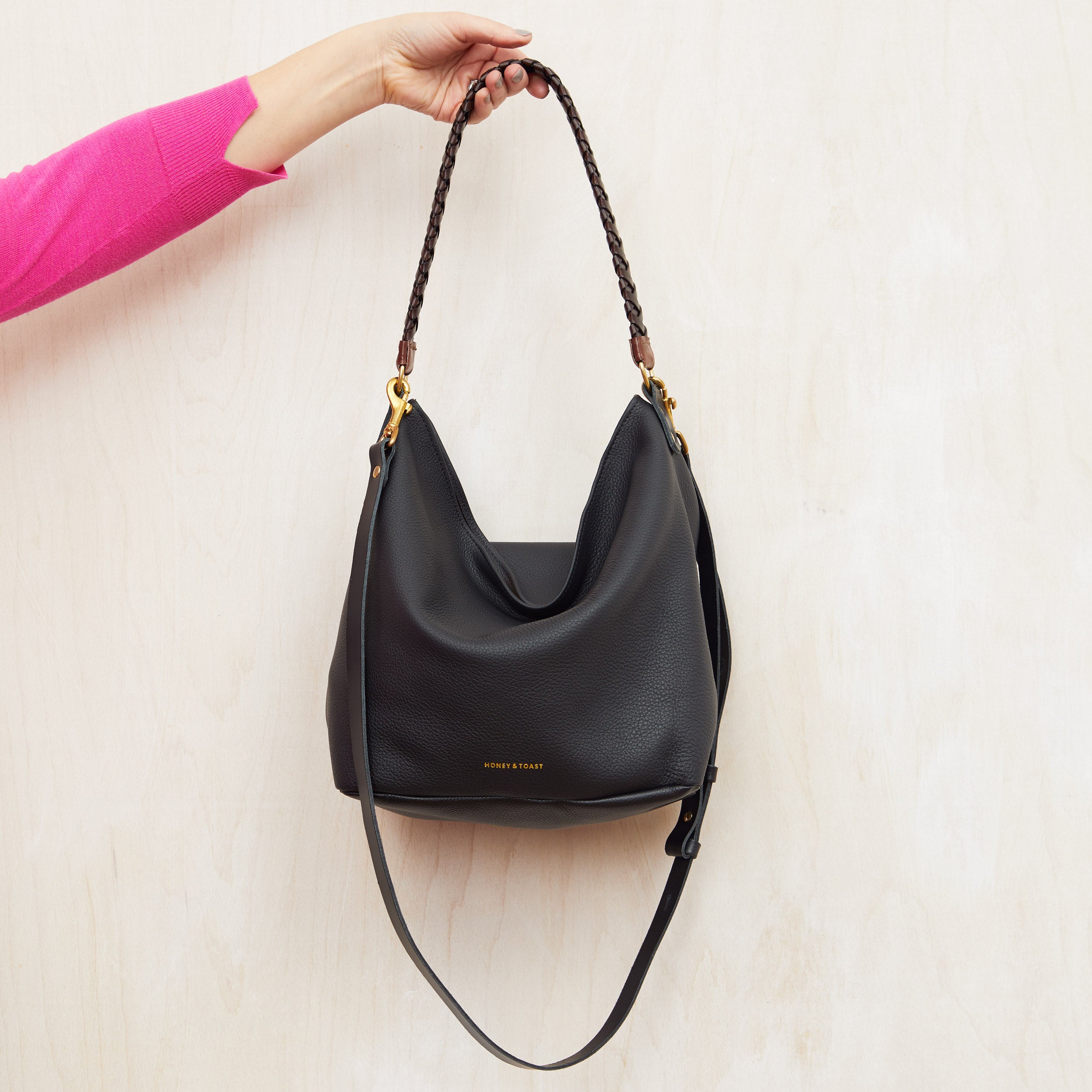
Evening dinner. Swap a longer strap for a shorter one, or simply carry it by the handles, and the same bag that did the school run that morning can sit happily on the back of a chair at dinner that night.
That's the real value of investing properly: one bag, styled five different ways, replacing what might otherwise be five separate cheaper bags bought for five separate occasions, most of which end up half-used and eventually discarded.
The Bottom Line
Affordable luxury is about spending well, on materials and construction that hold up, on hardware that lasts, on colours that never go out of style, and on a bag versatile enough to earn its place in your daily life rather than sitting in a cupboard for "best." Do the maths on cost-per-wear, and the £40 bargain rarely looks like a bargain for very long. The £280 bag that's still going strong a decade later usually does.
The next time you're weighing up a purchase, try running the numbers yourself. Take the price, divide it by how long you expect the item to last, and compare that to the alternative. It's a simple exercise, but it reframes almost every purchasing decision, not just bags. Looked at properly, over the years you'll actually use it, a well-made bag is often the more careful, more considered choice of the two.