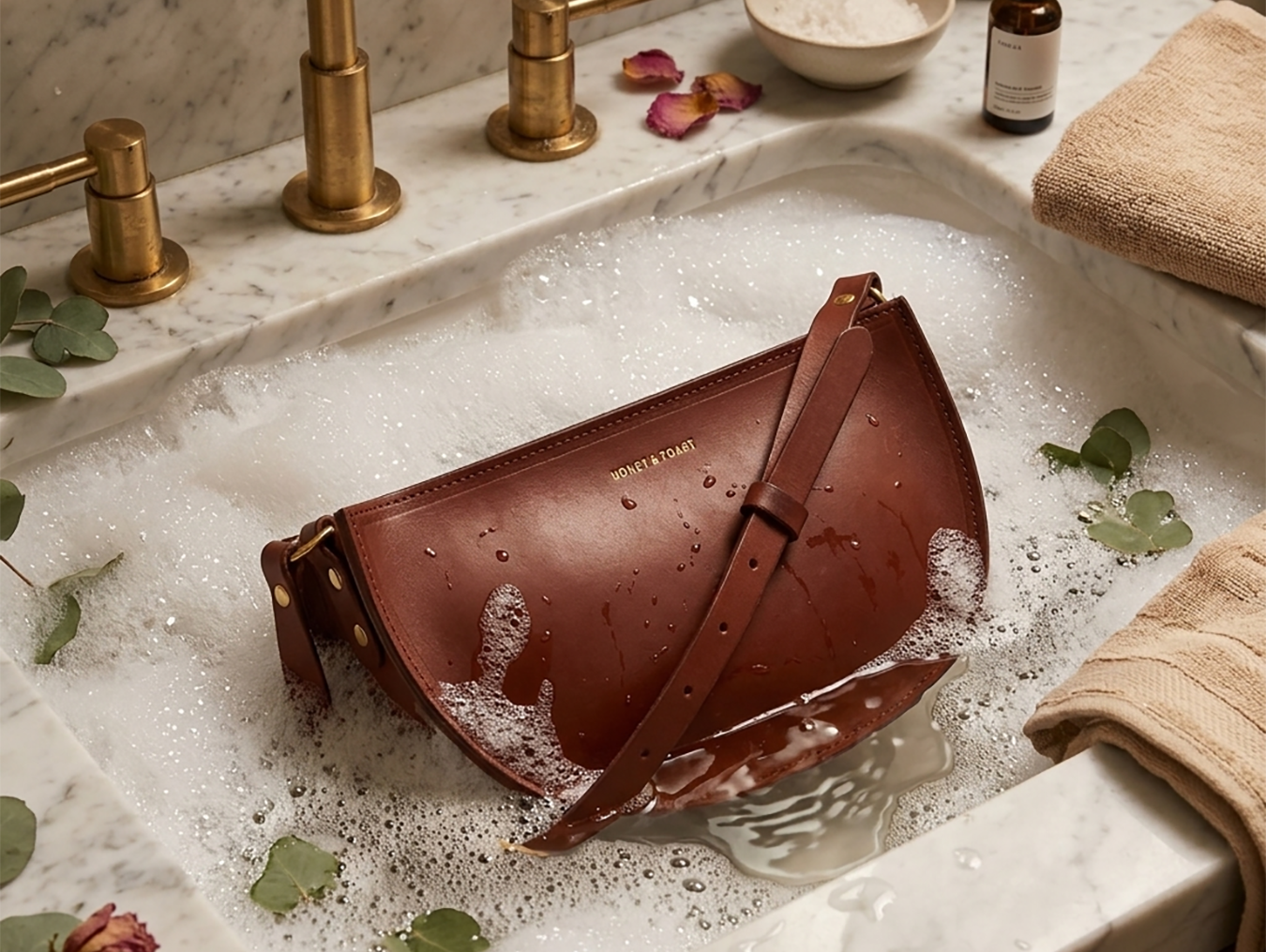
A Guide to Caring for Vegetable Tanned Leather Bags & Accessories
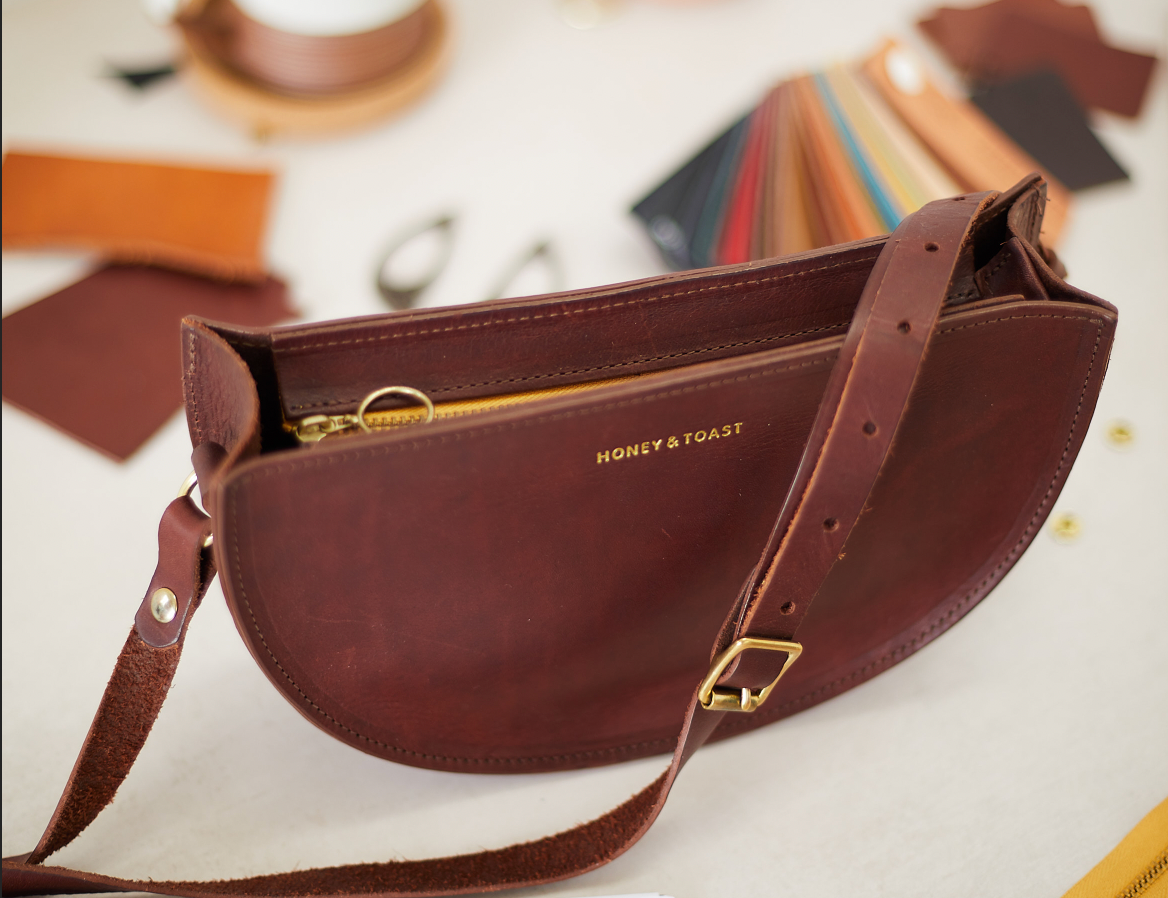
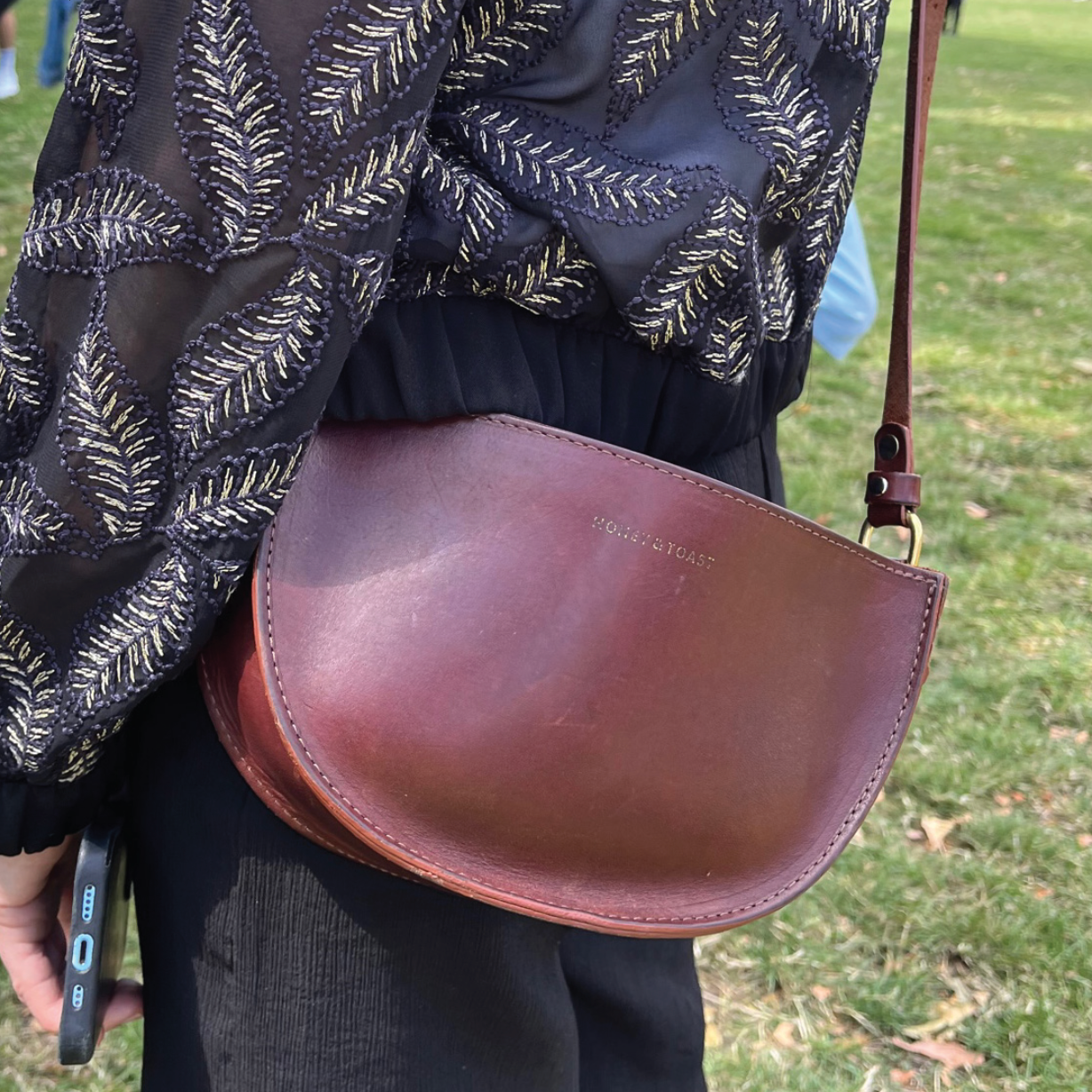
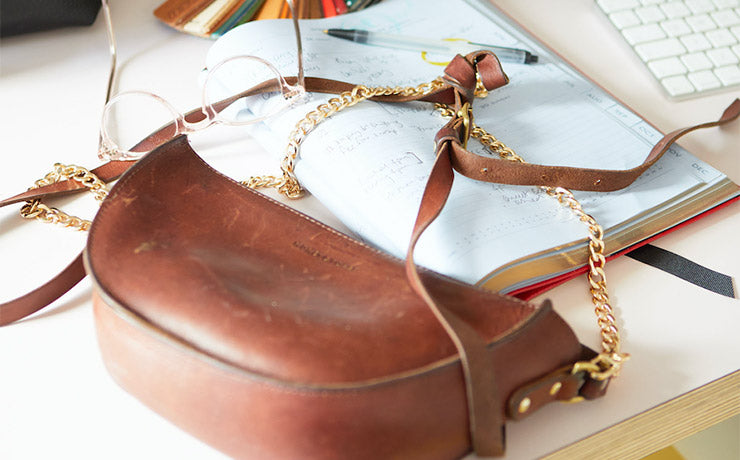
There is a distinct, unforgettable moment when a premium leather bag transitions from a beautiful item you own into a deeply personal companion. It doesn't happen overnight. It happens subtly, over months of daily use, as the structure of the panels begins to soften to the contour of your hip, and the surface shifts from a more matt to a rich, dimensional amber glow.
In the world of luxury leather craft, this evolution is the ultimate hallmark of quality. It is called a patina. What a beautiful word!
Unlike the mass-produced, heavily treated synthetic materials or coated leathers that we are so used to seeing on all shop shelves - these bags look their absolute best on the day of purchase and will steadily degrade from there. Throwaway fast fashion.
Vegetable-tanned leather behaves like an organic, living material. This leather will absorb the oils from your hands, the sunlight from your daily travels, and the unexpected raindrops of an afternoon shower—recording the unique chapters of your daily life. Telling stories of your adventures together!
Because vegetable-tanned leather is tanned using organic materials like tree bark and plant tannins rather than harsh chemicals, it remains highly porous and completely natural. To ensure that your bags and accessories age into a beautiful vintage masterpiece some care and conditioning is a great idea.
Here are some ideas on how to clean, condition, and restore your vegetable-tanned leather bags and accessories so they remain beautiful and by your side for decades to come!
1. The Nature of Vegetable-Tanned Leather
To properly care for a material, you must first understand its unique characteristics. Vegetable tanning is a time-honoured artisan process that takes weeks, sometimes months, to complete. Because it does not use a heavy polymer or plastic topcoat to seal the hide, the surface remains beautifully raw and exposed.
This exposure means two things:
-
It is sensitive to its environment (water, UV rays, heat, and oils).
-
It has an unmatched ability to heal itself from minor scuffs and develop deep, glossy character over time.
Because it lacks a synthetic shield or coating, vegetable-tanned leather requires a little love every now and then. Think of it like a basic skincare routine!
2. Step 1: Cleansing
Day-to-day life exposes your bag to microscopic dust, environmental pollutants, rain, and acidic skin oils. Over time, this buildup can clog the pores of the leather, causing it to lose its lustre or trapping moisture that can lead to deeper staining. Cleansing should be done occasionally—every few months—or immediately after a big spill.
The Method:
-
Empty and Prep: Completely empty the bag, pulling out the interior lining if relevant to shake out any loose debris.
-
The Dry Dust: Take a white, clean, soft cloth (like an old T shirt) and gently buff the exterior. This removes loose surface dust that could otherwise act like sandpaper when moisture is introduced.
The Golden Rule of Cleaning: Avoid spot-cleaning a single stain on vegetable-tanned leather. Because the leather is highly porous, cleaning just one spot can leave a distinct "water ring" or a faded patch. Always clean the entire panel from seam to seam to ensure it dries evenly.
Never use household detergents such as washing up liquid, hand soap or wipes of any kind. These will strip the natural tannins and dyes out of the hide instantly, causing potentially irreversible discolouration and dry patches.
3. Step 2: Conditioning
As vegetable-tanned leather grows older, it naturally loses some internal moisture and oil to the environment. If left untreated, the leather may stiffen, crack, and become brittle—particularly in high-stress areas like strap hinges, handles, flaps and corner folds. Conditioning replaces those vital lost oils, keeping the leather supple, strong, and highly water-resistant.
We recommend conditioning your bag every 3 to 6 months generally. If the weather is very sunny and dry your bag will dry out more so summer conditioning is a great idea.
Choosing the Right Conditioner:
Look for high-quality, natural balms and creams. Ingredients like beeswax, seed oils, and jojoba are great because they mimic the natural fats of the hide. Avoid cheap protectants that rely heavily on petroleum byproducts or mineral oils; these will simply sit on top of the leather rather than penetrating it, creating a sticky residue that attracts dirt. I sell Collinil products online - and recommend these. Leather Honey is also a brand I would recommend highly, this is available from Amazon.
The Conditioning Process:
-
The Patch Test: Before applying any conditioner to the front of your bag, test a tiny, pea-sized amount on an inconspicuous area—like the base or underneath an interior flap. Vegetable-tanned leather will darken slightly when conditioned, and a patch test allows you to preview the final shade.
- Stuff your bag: If your bag has a zip top you can fill with paper or something soft (carrier bags etc) this will create a surface you can push against. If you have a tote or other open top bag you can use your other hand on the inside to push back against.
-
Applying the cream: Put a small amount of product onto the clean soft cloth or (never drop the product directly onto the leather).
-
Massage with Care: Work the cream into the bag using small, even circles. Focus especially on dry corners and the edges of straps that handle the most friction.
-
The Rest Period: Let the leather rest for 20 to 30 minutes in a cool room, allowing the bag or purse to fully drink in the care cream.
-
The Final Buff: Take a new clean fresh cloth and buff the surface. This friction warms the remaining surface wax, drawing out a beautiful, rich satin sheen and eliminating any tacky residue.
4. Step 3: Restoring (Healing Scuffs, Scratches, and Water Marks)
Because vegetable-tanned accessories are completely uncoated, they will inevitably cross paths with everyday hazards! A set of keys, a stray fingernail, or a sudden rainstorm can cause momentary panic. Luckily, the resilience of this material means that most minor mishaps can be completely restored at home. Leather that can heal itself!
The Everyday Scratch:
Superficial scratches can often be healed using nothing more than your own hands. The natural oils in your skin, combined with the warmth of friction, are incredibly powerful. Take your thumb and rub firmly across the scratch in a circular motion. The friction coaxes the waxes and oils within the leather to shift, naturally filling in and fading the scratch out of sight.
The Rainy Day Rescue (Water Marks):
If you get caught in a downpour and your bag dries with unsightly, raised water spots, do not despair. The remedy is counterintuitive: you need to blend the moisture.
-
Take a clean soft fluff free cloth and dampen it evenly.
-
Wipe down the entire panel that has the water spots, blending the dampness across the whole surface so there are no hard lines.
-
Allow the bag to dry naturally inside, completely away from artificial heat sources such as a radiator or hairdryer. High heat will shrink the natural collagen fibres, causing the leather to warp and warp permanently.
-
Once dry, apply a light coat of leather balm to restore the lost moisture.
Restoring Faded or Dried Vintage Pieces:
If you have an older piece that has spent years forgotten in a closet, it may look pale, dry, and lifeless. To restore its former glory, clean it gently with a pH-balanced leather cleaner to open the pores, and then apply two thin coats of conditioner, leaving 24 hours between applications. The leather will drink the balm deeply, reviving the depth of the colour and bringing back that classic leather aroma.
5. Storage and Long-Term Protection
True leather care isn't just about what you apply to the bag; it is also about how you treat it when it’s at rest. Proper storage ensures your bag will remain its best self!
-
Let It Breathe: Never store your vegetable-tanned leather in an air tight plastic box or non-breathable bag. Leather requires air circulation. Please store your bag inside the H&T cotton tote bag that it is packed inside when it comes you.
-
Support the shape: If you aren't using your bag for a while fill with something soft to keep the shape. Like an old t shirt. Never newspaper or anything printed with ink. Try to avoid hanging it for months at a time to avoid stress on the bag handle and the leather stretching.
-
Avoid bright light: Store your pieces in a cool, dry place away from direct sunlight, which can bleach the natural plant dyes and dry out essential oils.
Conclusion: Honouring the Craft
Taking the time to clean, condition, and protect your vegetable-tanned leather isn’t just a chore—it’s an act of preservation. Every mark, shadow, and gleam of character your bag develops represents a day it spent serving you. By stepping in with a gentle cloth and a rich cream every few months, you honour the material, prolong the life of the craft, and ensure that your story remains beautifully etched into the leather for many more years to come.
How is your collection going? Do you have a favourite bag that has developed the perfect patina and moulded to you?
Explore all H&T vegetable tanned bags HERE
Explore leather care products HERE
Read more about H&T leathers HERE